How to Cut with an Angle Grinder: Tips for Smooth and Precise Cuts
Angle grinders are an incredibly useful tool to have for any DIY project or home renovation. They are versatile and powerful, capable of cutting through a wide range of materials including metal, concrete, stone, and brick. And while they may seem intimidating at first, knowing how to cut with an angle grinder is essential for any DIY enthusiast.
In this guide, we’ll take you through everything you need to know about cutting with an angle grinder, including the safety precautions you need to take, the different types of cutting discs available, and step-by-step instructions on how to cut through various materials. So, if you’re ready to take your DIY skills to the next level, let’s dive in and learn how to cut with an angle grinder!
Understanding Your Angle Grinder
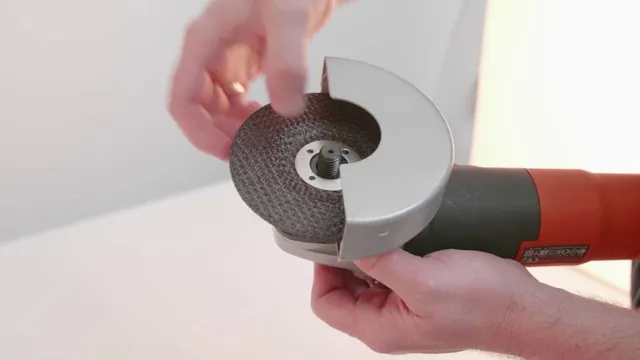
Angle grinders are powerful tools that can cut through tough materials like metal and concrete. However, before you start using your angle grinder, it’s essential to understand how it works. To cut with an angle grinder, you need to attach a cutting wheel, which can come in different sizes and shapes.
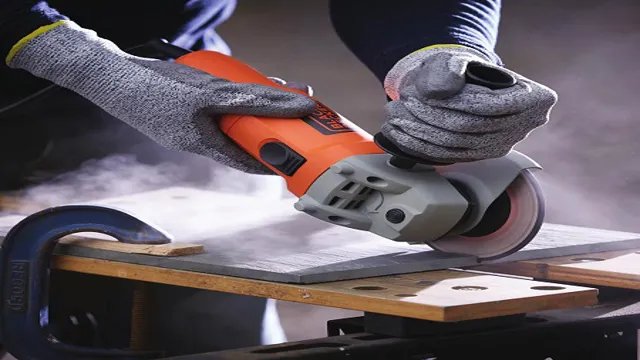
Make sure the cutting wheel is suitable for the material you’re cutting, and always wear safety gear like eye protection and gloves. Position the grinder perpendicular to the surface you’re cutting and turn it on. Slowly move the blade towards the material, applying gentle pressure.
Keep your cuts steady and straight, and avoid forcing the wheel or applying too much pressure as this can cause the blade to break. With practice, you’ll become more skilled at using your angle grinder and achieve cleaner, more precise cuts.
Choosing the Right Blade
When it comes to using an angle grinder, it’s important to understand the various components and their functions. One of the most crucial parts is the blade, as it determines the cutting abilities of the tool. Choosing the right blade depends on the specific task at hand and the material being worked on.
For example, a diamond-tipped blade is ideal for cutting through hard materials like concrete and stone, while a metal cutting blade is perfect for slicing through metal pipes or rods. It’s also important to consider the size and thickness of the blade, as well as its RPM rating, to ensure it’s compatible with the angle grinder you’re using. By taking the time to select the appropriate blade for your project, you’ll be able to maximize its cutting potential and achieve efficient, satisfactory results.
Adjusting the Angle
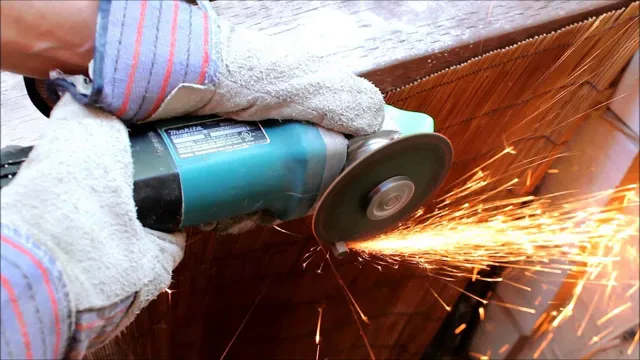
When it comes to using an angle grinder, understanding the angle of the disc is crucial. The angle grinder is designed to work at a specific angle, which can differ depending on the task at hand. Adjusting the angle is vital, as it can affect the effectiveness of the grinding process.
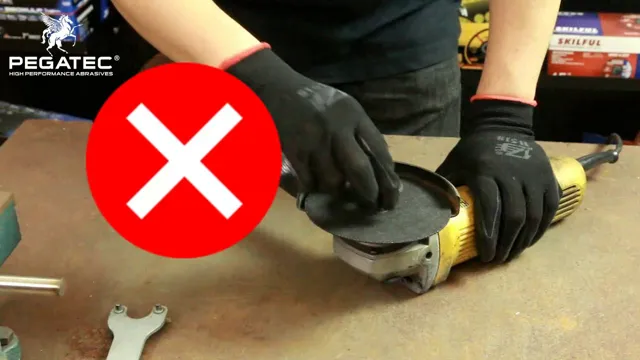
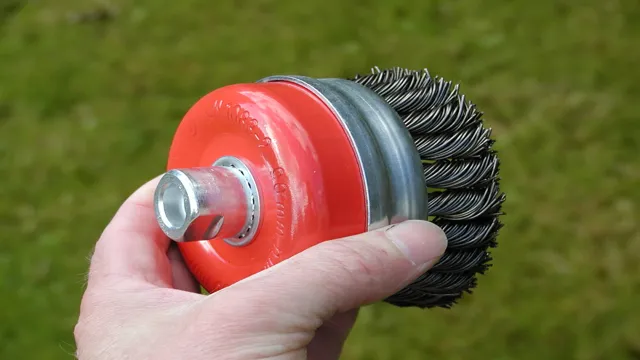
For instance, grinding at a wrong angle can lead to uneven or weak results. So, before you start working with the angle grinder, take your time to understand the angle of the disc, and learn how to adjust it. Doing so will help you achieve smoother, faster, and more precise results.
Remember, improper angle adjustments can increase the risk of injury and damage to the equipment, so always follow the manufacturer’s guidelines and use protective gear such as goggles and gloves. As you use an angle grinder, you will begin to understand that different tasks require different angles to achieve the desired results. Think of it as sharpening a pencil with a knife-the angle you use will determine how sharp or dull the tip of the pencil will be.
Similarly, the angle grinder requires different angles to achieve specific results, such as cutting, grinding, or polishing. Therefore, familiarize yourself with the angles required for each task, and practice adjusting the angle as needed. In addition to adjusting the angle of the disc, it’s essential to keep the angle of the grinder relative to the workpiece constant.
This helps prevent damaging the disc or the workpiece as you work. It also allows you to achieve even and consistent results without causing uneven wear to your equipment. In conclusion, whether you’re a seasoned professional or a DIY enthusiast, understanding and adjusting the angle of your angle grinder is crucial.
With practice and attention to detail, you can achieve the desired results and protect your equipment while staying safe.
Preparing for Cutting
If you’re looking to cut through metal, wood, or even concrete a lot faster than your standard saw, an angle grinder is the tool for you. However, before you start cutting with your new angle grinder, it’s important to ensure that you’ve prepared everything correctly to make the job both safer and easier. Firstly, it’s recommended that you invest in a quality grinding wheel that’s suited to your specific cutting needs.
Once you’ve selected the right wheel for your job, ensure it’s properly installed and tightened before you start cutting. Remember to always wear protective gear, including gloves, safety glasses, and hearing protection. Also, take the time to clear the area of any potential hazards and make sure the material you’re cutting is securely clamped down.
Keep in mind that using an angle grinder will create a lot of sparks, and using the tool for extended periods of time can cause it to overheat. Remember to take breaks to avoid overheating and give the angle grinder time to cool down. With the proper preparation, you’ll be able to easily and safely cut through any material with your angle grinder.
Securing the Workpiece
Preparing for cutting requires securing the workpiece to avoid accidents while working with the tool. You wouldn’t want the material to move around as you cut, or worse, slip off the clamp and cause injury. The first thing you need to do is to clean and flatten the workpiece’s surface.
This will ensure a firm grip and stability. Next, choose a secure work surface that is flat and sturdy enough to support the material. You can also use clamps to secure the workpiece to the table or bench.
Make sure they are tight and secure, so the material won’t shift during the cutting process. Another option is to use double-sided tape or adhesive to secure smaller pieces to the work surface. Preparing for cutting takes time and effort, but it’s worth it to ensure safety while you complete the job.
Remember, when working with any tool, safety should always be your top priority.
Wearing Protective Gear
When it comes to cutting, preparing ahead of time can make a huge difference in ensuring a safe and successful outcome. One of the most important steps in preparation is wearing protective gear. This gear can include gloves, safety glasses, ear protection, and even a helmet.
Each piece of gear serves a specific purpose and can help prevent serious injuries. For example, gloves can protect hands and fingers from sharp blades while safety glasses can protect eyes from flying debris. It’s essential to wear the proper protective gear for the type of cutting you will be doing and to make sure everything fits well.
Don’t assume that because you’ve done the task before that you can forgo the protective gear. Even seasoned professionals often wear their gear because they know how unpredictable cutting can be. By taking the necessary precautions and wearing protective gear, you can ensure that you’re ready for any cutting job that comes your way.
Making the Cut
If you’re looking to make precise cuts on your metal or tile surfaces, an angle grinder is a fantastic tool to have in your arsenal. But, what’s the best way to cut with an angle grinder? Firstly, ensure that you have the right blade for the job. Secondly, make sure to mark your cutting line correctly and use a straight edge to guide your grinder.
Always keep in mind that safety comes first and make sure to wear the appropriate protective gear while cutting. Once you’re ready to begin, start by cutting lightly and increasing the pressure gradually. Additionally, use short, controlled strokes rather than long sweeping movements to make sure you stay on the cutting line.
Finally, mind your cutting speed and don’t exert unnecessary pressure on the grinder since it can cause the blade to bend or become damaged. Get started with your angle grinder, and you’ll have a precise and accurate cut in no time.
Starting the Grinder
If you’re just starting out with using a grinder, the first step is to make sure you have the right blade or disc for the job you’re tackling. Once you’ve selected the appropriate cutting tool, it’s time to attach it to the grinder. Most grinders have clamp systems that lock in the blade or disc, typically using a wrench to secure it tightly in place.
It’s important to make sure the blade or disc is aligned and facing the right way before tightening the clamp. Once everything is secure, you’re ready to power up the grinder and start making your cuts. Don’t forget to wear proper safety gear such as goggles and gloves, and take breaks as needed to avoid fatigue.
With a bit of practice, you’ll soon be a pro at starting the grinder and making precise cuts with ease.
Positioning the Blade
When it comes to making precise cuts with your saw, the key is in how you position the blade. Whether you’re using a table saw, circular saw, or any other type of saw, properly positioning the blade is crucial for safety and accuracy. Once you’ve determined the correct angle and depth for your cut, make sure the blade is lined up with your cutting mark and that the teeth are facing in the right direction.
If you’re using a hand-held saw, be sure to grip it firmly and use both hands to guide the blade through the material. And don’t forget to take your time and stay focused – rushing or becoming distracted can lead to mistakes and injury. With a steady hand and a little practice, you’ll soon be making clean, precise cuts with ease.
Applying Appropriate Pressure
When it comes to making the cut in any situation, applying the appropriate pressure is key. This is especially true when it comes to various forms of cutting, such as using a saw or knife. Too much pressure can lead to a jagged or uneven cut, while too little pressure can result in a lack of progress or precision.
It’s important to find and maintain the right balance of pressure to achieve the desired outcome. The same concept applies to many areas of life, from personal relationships to professional endeavors. Whether we’re working towards a promotion or trying to maintain a healthy work-life balance, it’s crucial to apply the appropriate amount of pressure to get the results we want.
So, the next time you find yourself faced with a challenging task, remember to stay balanced and apply the right amount of pressure to make the cut.
Finishing the Cut
Cutting with an angle grinder can seem daunting at first, but with the right technique and safety precautions, it can be a breeze. To finish the cut, it is essential to run the grinder along the cutting line carefully. You can use a clamp or vise to secure the workpiece, allowing you to have both hands free when cutting.
It is also a good idea to use a marker to draw the cutting line to guide you. Always wear protective gear, including gloves, safety glasses, and a respirator to keep yourself safe from debris and dust particles. Keeping your angle grinder at the right angle, move it slowly and steadily forward, applying firm pressure to the blade.
Take breaks regularly to avoid overheating your machine or the blade. Finally, inspect your cut to ensure it’s even and clean, checking for any burrs or rough edges. With these tips in mind, you should be ready to complete your cutting project with ease and precision using your angle grinder.
Turning off the Grinder
When it comes to using a grinder, it’s important to know when to turn it off. After all, you don’t want to damage your workpiece or injure yourself! One crucial moment to turn off the grinder is when you’re finishing the cut. This is the last step in the grinding process, where you’re smoothing out any rough edges and making sure everything looks just right.
It’s tempting to keep going until you get that perfect finish, but over-grinding can actually be detrimental to the piece. By turning off the grinder once you’ve achieved the desired level of smoothness, you’ll ensure that you don’t accidentally remove too much material or create any unwanted heat. So, next time you’re grinding, remember that knowing when to turn off the grinder is just as important as knowing when to turn it on.
Inspecting the Cut
After making the initial cut, it’s important to inspect the outcome to ensure consistency and proper alignment. The finishing cut is just as important as the initial cut because it can make or break the final outcome of your project. Take your time and examine the cut from all angles to ensure that it is straight and smooth.
A jagged or uneven edge can ruin the appearance and functionality of the piece. Don’t be afraid to make additional cuts if necessary to achieve the desired outcome. Remember, it’s better to take the time to make a clean cut than to rush and end up with an inferior result.
By inspecting and perfecting the finishing cut, you can be confident in the final outcome of your project and take pride in your craftsmanship.
Removing Burrs and Sharp Edges
When it comes to cutting materials, removing burrs and sharp edges is a crucial step in the finishing process. Burrs are unwanted raised edges or rough spots that can occur during cutting, while sharp edges can pose a safety risk. To remove burrs and sharp edges, there are various methods to consider.
One effective way is to use a deburring tool, such as a file or sandpaper, to smooth out the edges. Alternatively, chamfering can be done to create a beveled edge that reduces the likelihood of sharpness. Additionally, some materials can benefit from a technique called edge breaking, which involves running a blunt tool along the edge to round it off slightly.
Whatever method is used, it’s important to ensure a smooth and safe finished product.
Safety Precautions
Cutting with an angle grinder can be a bit intimidating, but by following some basic safety precautions you can get the job done efficiently and safely. The first step is to ensure that the angle grinder is in good condition and all safety features are in place, such as the shield and trigger lock. You should also wear personal protective equipment, including eye and ear protection, gloves, and a dust mask.
Before starting the angle grinder, make sure the blade is securely attached and the grinding wheel is the appropriate size and type for the job. When cutting, keep the grinder at a 90-degree angle to the workpiece and use a steady hand to maintain control. Always cut away from your body and keep bystanders at a safe distance.
Finally, remember to disconnect the tool from the power source when not in use and store it safely out of reach of children. With these safety precautions in place, you can confidently use an angle grinder to complete a variety of cutting tasks.
Avoiding Accidents and Injuries
Being safe is crucial to prevent accidents and injuries. Safety precautions play a vital role in ensuring our physical well-being. Whether at home, work, or outdoors, there are numerous measures you can take to avoid potential hazards.
To prevent injuries at home, it is essential to keep your living space free of clutter and ensure that electrical wiring and appliances are in good working order. Additionally, install safety devices such as smoke detectors and carbon monoxide detectors. When engaging in physical activities, always wear protective gear to guard against injuries.
It is also essential to follow traffic rules when driving and cross roads at designated crossing points to minimize the risk of accidents. Practicing safety measures, such as these, can help in preventing accidents and injuries from occurring. By being aware of potential hazards and taking the necessary steps to mitigate them, you can ensure greater safety for yourself and those around you.
So, why not take the initiative today to make your surroundings a safer place for everyone?
Maintaining the Grinder Properly
When it comes to maintaining your grinder, it’s crucial to observe safety precautions to prevent accidents and injury. One of the most important things to keep in mind is to never leave the grinder running unattended. Always turn it off and unplug it when you’re not using it.
Additionally, be sure to wear personal protective equipment such as safety glasses and gloves when using the grinder. It’s also important to inspect the machine before each use to check for any damage or defects that could cause an accident. By following these safety precautions, you can ensure that you and those around you stay safe while using the grinder.
Remember that safety should always be a top priority when working with any machinery or tools.
Conclusion
To sum it up, using an angle grinder is like using a power tool samurai sword. You need to approach it with respect and caution, but with a steady hand and advance preparation, you can slice through metal, tile, and even stone like a hot knife through butter. Just remember to wear proper safety gear, keep a firm grip, and practice patience.
With a little practice, you’ll be cutting like a pro in no time!”
FAQs
What size angle grinder disc do I need to cut concrete with an angle grinder?
A 7-inch diamond blade is recommended for cutting concrete with an angle grinder.
Can I use an angle grinder to cut metal?
Yes, you can use an angle grinder to cut through metal. However, it is important to use the correct type of disc for the material you’re cutting.
How can I cut a curve in metal with an angle grinder?
You can use a cutting disc or a grinding disc to cut a curve in metal with an angle grinder. Start by making a series of small cuts and then shaping the metal with the grinder.
Is it safe to use an angle grinder without a guard?
No, it is not safe to use an angle grinder without a guard. The guard helps to protect you from flying debris and accidental contact with the disc.
What safety precautions should I take when cutting with an angle grinder?
Always wear eye protection, gloves, and a face mask when cutting with an angle grinder. Make sure the tool is properly grounded and never use it near flammable materials.
How do I change the disc on an angle grinder?
Turn off the grinder and unplug it before changing the disc. Use a wrench to loosen the nut and then remove the old disc. Place the new disc on and tighten the nut.
Can I use an angle grinder to sharpen tools?
Yes, you can use an angle grinder with a grinding disc to sharpen tools such as lawn mower blades, axes, and chisels. However, it is important to be careful and not remove too much material.