How to Attach a Mortise Attachment to Ryobi Drill Press: Step-by-Step Guide
Drilling holes can be a tedious task, but with the right tools, it can be a breeze. For those who want to up their drilling game, a mortise attachment for a drill press can be a game-changer. But, how exactly do you attach one to your Ryobi drill press? Fear not, as we are here to guide you through the process step by step.
With just a few simple steps, you’ll be able to use your drill press to create deep, clean mortises in no time. So, grab your safety gear and let’s get started on this exciting DIY adventure!
Required Tools
If you’re looking to attach a mortise attachment to your Ryobi Drill Press, there are a few tools you’ll need to complete the task. Firstly, you’ll need the mortise attachment itself, which typically comes with the necessary hardware for installation. You’ll also need a set of wrenches or pliers to attach the hardware.
Additionally, a drill bit set may be needed to drill any necessary holes during the installation process. Finally, safety gear such as goggles and gloves are always recommended when operating power tools. Once you have all of the necessary tools, attaching the mortise attachment to your Ryobi Drill Press should be a straightforward process.
Following the manufacturer’s instructions closely will ensure the attachment is secured properly, and you can continue using your drill press with added capabilities.
-Ryobi drill press
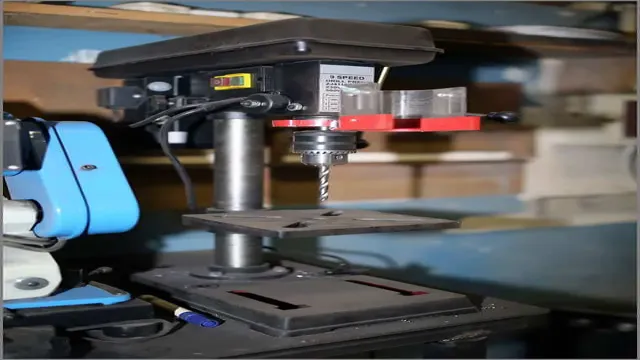
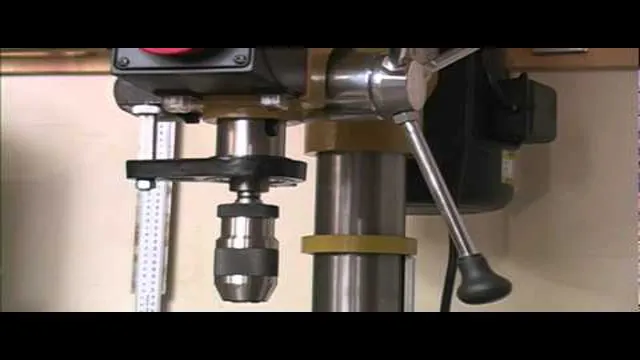
If you’re into woodworking or metalworking, a drill press is a must-have tool. A drill press is a stationary tool used for boring accurate, precise, and consistent holes that are perpendicular to the material being worked on. When buying a drill press, quality is key, and one brand that stands out is Ryobi.
The Ryobi drill press is a versatile tool that can be used to make a variety of holes in a wide range of materials. It features a powerful motor that provides consistent performance, and a table that tilts up to 45 degrees to make angled drilling easier. When using a drill press, it’s important to protect your eyes with safety glasses and secure the material being worked on to avoid accidents.
All in all, the Ryobi drill press is an invaluable tool for any woodworking or metalworking enthusiast, and it’s a worthwhile investment for anyone looking to achieve accurate and precise results every time they drill.
-Mortise attachment
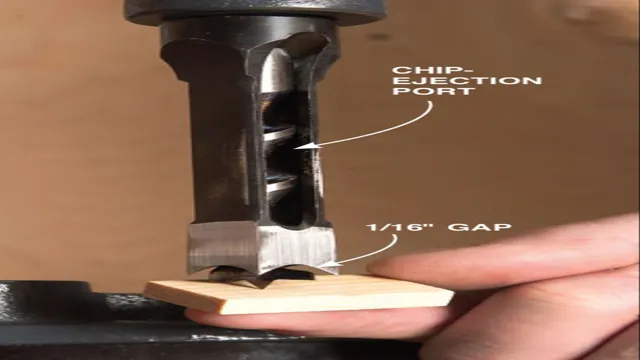
When it comes to mortising, having the right tools can make all the difference in the finished product. One essential piece of equipment is the mortise attachment. This tool allows you to create precise cuts and holes in the wood, ensuring a clean and professional finish.
When using a mortise attachment, it’s important to have a router which can be used to make the cuts. Additionally, you’ll need drill bits that are specifically designed for the attachment to ensure that the holes are the right size and shape. Getting these tools on hand before you start can save you time and energy, and help you get the results you’re looking for.
Remember, investing in the right tools can be the difference between a shoddy finish and a polished one.
-Wrench
When working on a project, having the right tools is essential to ensure that everything runs smoothly. One of the most important tools in any toolbox is a wrench. A wrench is a versatile tool that is used for a range of applications, including tightening and loosening bolts and nuts.
However, it is important to have the right type of wrench for the job. There are several types of wrenches, including open-end wrenches, box-end wrenches, adjustable wrenches, and pipe wrenches, just to name a few. Each type of wrench has its own unique features and is designed to be used for specific applications.
For instance, an adjustable wrench is great for use on a variety of different-sized bolts and nuts, while a pipe wrench is designed for use on pipes and other round objects. So, when you are selecting a wrench for your toolkit, it is important to think about the specific applications you will need it for and choose the right type of wrench accordingly. With the right tools at your disposal, you can tackle any project with confidence and ease.
Preparing for Attachment
If you’ve recently purchased a mortise attachment for your Ryobi drill press, you may be wondering how to attach it properly. Don’t worry, it’s a straightforward process that you can easily do yourself. First, make sure your drill press is turned off and unplugged.
Next, remove the chuck from the drill press by loosening the bolt with a chuck key. Then, attach the mortising attachment to the spindle by sliding it over the spindle and tightening the set screw. Reattach the chuck to the top of the mortising attachment and firmly tighten the bolt with the chuck key.
Finally, adjust the depth stop and fence on the mortising attachment to the desired settings and you’re ready to start mortising! By following these steps, you can ensure that your mortising attachment is securely attached and ready to use on your Ryobi drill press.
-Unplug the drill press
When preparing to attach a drill press, it’s important to take a few precautionary steps before getting started. The first step is to unplug the drill press from its power source. This may seem like a no-brainer, but it’s crucial for your safety and the safety of your tool.
Once you’ve done this, you can proceed with attaching your accessory or fixture. This can involve a variety of steps depending on the particular project you’re working on, but it will often entail aligning and securing the attachment in place before securing it further with screws or bolts. Keep in mind that the particulars of each attachment may vary, so it can be beneficial to consult the user manual or do some preliminary research before proceeding.
By taking these steps and ensuring that your attachment is secured and properly aligned, you can make the most of your drill press and get the job done quickly and accurately.
-Remove the chuck
If you’re planning to attach a new accessory to your drill, you’ll need to begin by removing the chuck. This is the part that holds the bit in place, and it’s essential that you detach it securely before making any further changes. To do this, you’ll need to use either a chuck key or a wrench, depending on the type of drill you have.
If you’re unsure which tool is needed, consult the user manual that came with your drill or look up instructions online. Once you have the right tool, fit it into the chuck and turn it counterclockwise, applying steady pressure until the chuck comes loose. With the chuck removed, you’ll be able to install any new attachments with ease, transforming your drill into a versatile tool for any DIY or professional project.
Whether you’re working on woodworking, metalworking, or other tasks, following these steps will help you prepare your drill for any job. So go ahead, remove that chuck, and get ready to attach your next tool for ultimate versatility.
-Clean the spindle
When it comes to using attachments on your spindle, preparation is key. One important step is to ensure the spindle is clean before attaching anything. A spindle that is dirty or has debris can cause damage to attachments or even the machine itself.
But how do you go about cleaning the spindle? First, turn off the machine and unplug it to ensure your safety. Then, using a clean cloth or brush, gently remove any debris or buildup from the spindle. You can also use compressed air to blow out any remaining particles.
Once the spindle is clean, you can confidently attach your desired accessory and get to work. By taking the time to properly prepare your spindle, you can ensure a successful and safe project.
Attaching the Mortise Attachment
Attaching a mortise attachment to your Ryobi drill press may seem daunting at first, but it’s actually a simple process that you can complete in a matter of minutes. Firstly, ensure that the drill press is turned off and unplugged before proceeding with the attachment. Then, locate the mortise attachment and fit it onto the spindle of the drill press.
Tighten the spindle knob to secure the attachment in place. Next, attach the drill bit to the mortise attachment and adjust the depth stop to achieve the desired depth for your mortise. Finally, it’s essential to test the attachment and ensure that it’s aligned and functioning correctly before beginning any projects.
With these simple steps, you’re ready to tackle mortise drilling tasks with ease. Just remember, safety always comes first, and it’s essential to follow the manufacturer’s instructions carefully. Try it out yourself and watch your mortising game improve instantly with the addition of this handy attachment.
-Line up the attachment
Attaching the mortise attachment to your power drill is a simple process that can be accomplished in just a few steps. First, make sure the drill is turned off and the chuck is fully opened. Then, insert the mortise attachment into the chuck and tighten it firmly with the key.
It’s important to line up the attachment precisely with the chuck to ensure that it is securely fastened and won’t come loose during use. Once the attachment is in place, you’re ready to start creating mortises quickly and easily with your power drill. With this step completed, you can move on to using the attachment in a variety of woodworking projects with ease and confidence.
Just remember to always use caution and follow proper safety protocols when using power tools. Happy woodworking!
-Tighten the bolts with the wrench
One of the most important steps in attaching the mortise attachment to your woodworking tool is tightening the bolts with a wrench. This step is essential to ensure that all parts of the attachment are firmly secured and ready for use. Before you begin, make sure you have the right size wrench for your bolts, as using the wrong size can damage the attachment or your tool.
To tighten the bolts, first locate each bolt and insert the wrench so that it fits snugly around the head. Then, turn the wrench clockwise to tighten the bolt until it is firmly in place. Repeat this process for each bolt until all are tight.
Once you’re finished, double-check that all bolts are securely fastened and give the mortise attachment a gentle tug to make sure it’s firmly attached. With the bolts tightened properly, you’re now ready to start using your mortise attachment for a variety of woodworking tasks.
-Reattach the chuck
Reattaching the chuck is an essential step in attaching the mortise attachment. Start by removing the spindle adapter and the chuck from the headstock. Next, align the mortise attachment with the threads on the headstock.
Be sure to tighten the mortise attachment securely. Once the attachment is secured, reattach the chuck to the spindle adapter. It is important to ensure that both components are tightly fastened.
Afterward, you can use a wrench to tighten the wood in place. The mortise attachment will allow you to create perfect mortises for your woodworking projects. With this simple process, you can enhance your woodworking skills and create exquisite project ideas that you can be proud of.
Testing the Attachment
If you’re wondering how to attach a mortise attachment to your Ryobi drill press, it’s actually a fairly simple process. First, ensure that your drill press is turned off and unplugged. Next, locate the locking mechanism on your drill press and release it so that the chuck is free to move.
Remove any bits or accessories from the chuck if necessary. Now, take your mortise attachment and insert it into the chuck. Use the chuck key to tighten the attachment securely in place.
Finally, adjust the depth stop on your drill press to the desired level and you’re ready to start drilling mortise holes! Remember to always wear safety glasses and follow all instructions carefully when using power tools. With this easy-to-follow guide, you’ll be able to attach your mortise attachment and start crafting like a pro in no time.
-Plug in the drill press
After attaching the necessary components to your drill press, the next step is to test the attachment to ensure proper functioning. Before doing so, double-check that all components are securely attached and aligned correctly. Once you have confirmed, plug in the drill press and turn it on.
Give the drill press a few test runs to ensure that the attachment is functioning as intended. If there are any anomalies or issues, stop the drill press immediately and troubleshoot the problem. It’s always essential to perform a few test runs to avoid any accidents or damages to the machine.
Taking the time to test the attachment thoroughly will give you the assurance that you can complete your drilling task safely and efficiently. Remember, safety should always be a top priority when operating any machinery, including a drill press.
-Test the mortise attachment on scrap wood
Once you’re all set with your mortise attachment, it’s essential to test it on a scrap piece of wood before beginning your actual project. This will allow you to get comfortable with the attachment, acquainting yourself with its features and application on wood. By testing it on scrap wood, you can also observe how well it penetrates the surface of the wood, ensuring that it creates a clean, accurate, and precise mortise every time.
As you test the attachment, you’ll become more confident in using it, making it easier to produce accurate results, and you’ll have a better idea of the amount of pressure needed to apply. Once you’re comfortable with the mortise attachment, you’re ready to begin creating your woodwork projects with the confidence you need to achieve the desired outcome.
Conclusion and Tips
In conclusion, attaching a mortise attachment to your Ryobi drill press requires some precision and patience, but with the right technique, you can create precise and clean mortises effortlessly. So, grab your drill, secure your attachment, and get ready to master the art of mortising like a pro! And remember, measure twice and drill once. Happy drilling!”
-Always follow safety procedures
When testing an attachment for your equipment, it’s crucial to follow safety procedures. Before conducting any tests, make sure all safety guards and shields are in place and working correctly. It’s also essential to wear the appropriate personal protective equipment (PPE), such as safety glasses, gloves, and hard hats.
When testing the attachment, start with a low load and slow speed to ensure everything is functioning correctly before increasing the load or speed. Keep in mind that failing to follow safety procedures can lead to serious injury or even death. Therefore, it’s crucial to take all necessary precautions to protect yourself and others when testing equipment attachments.
Remember, safety is always the top priority.
-Read the manual for specific instructions
When it comes to testing a new attachment for your equipment, it’s essential to follow the instructions outlined in the manual to ensure everything runs smoothly and safely. The manual will provide specific instructions on how to properly set up and test the attachment, including any safety precautions that should be taken. It’s important to read the manual thoroughly before getting started, as not doing so could result in damage to your equipment or even personal injury.
Don’t assume that you know how to use the attachment just because you’ve used similar ones before, as each attachment may have unique features and requirements. By taking the time to read the manual and follow the instructions carefully, you’ll not only ensure a successful testing process but also prolong the life of your equipment and ensure the safety of yourself and those around you. Remember, it’s better to be safe than sorry!
-Do not over tighten bolts
When it comes to attaching components in any machine, testing the attachment is crucial for ensuring everything stays in place. Over-tightening bolts can lead to stripped threads or even snap the bolt, while under-tightening can lead to the component slipping or coming loose. To properly test the attachment, start by checking to make sure all bolts and screws are tightened to their recommended torque specification.
Once everything is tightened, use a torque wrench to ensure that each bolt is tight enough without being too tight. You can also physically test the attachment by gently pushing or pulling on the component to make sure it doesn’t move or wiggle. Remember, taking the time to properly test an attachment can save you time and money in the long run, as it reduces the chances of failure or damage.
FAQs
What is a mortise attachment for a drill press?
A mortise attachment is a device used to create mortises, which are square or rectangular-shaped holes, in wood or other materials using a drill press.
How do you attach a mortise attachment to a Ryobi drill press?
To attach a mortise attachment to a Ryobi drill press, first, remove the chuck from the drill press and insert the mortise attachment’s shank into the drill press spindle. Then, place the chuck on top of the attachment and tighten it securely.
Can you use a mortise attachment with other types of drill presses?
Yes, mortise attachments can be used with most types of drill presses as long as the attachment’s shank fits the drill press’s spindle.
What materials can be used with a mortise attachment?
Mortise attachments can be used with a variety of materials, including wood, plastics, and some metals.
What are the advantages of using a mortise attachment?
Using a mortise attachment can save time and effort when creating mortises, as it enables precise and consistent cuts. It also allows for more complex mortise shapes to be created.
Are mortise attachments difficult to use?
Mortise attachments can take some practice to master, but once you have learned how to use them, they are generally straightforward to operate.
Can a mortise attachment replace a dedicated mortising machine?
While a mortise attachment can perform many of the same functions as a dedicated mortising machine, it may not be as efficient or precise, particularly for larger mortises.