How to Put Wire Brush on Angle Grinder: A Comprehensive Guide
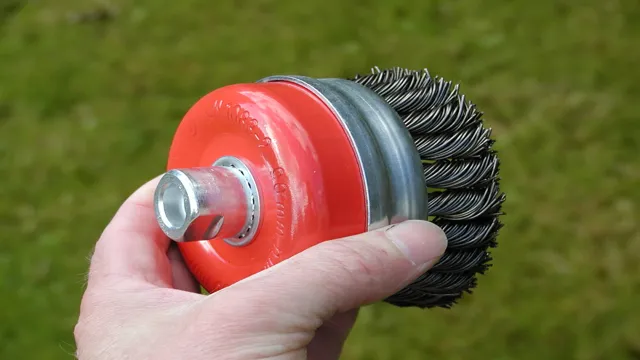
If you’re looking for an effective way to remove rust, paint, or stubborn materials from your metal surfaces, then you should consider using a wire brush attachment on your angle grinder. This powerful tool is perfect for getting rid of rust and old paint coatings that can ruin your project’s appearance or performance. However, if you’re new to using an angle grinder, you might be wondering how to put the wire brush attachment on it.
In this blog post, we’ll walk you through the easy steps to attach a wire brush to your angle grinder so that you can get the job done with ease and efficiency. So, let’s get started!
What you need
If you’re looking to give your angle grinder more versatility, adding a wire brush to it can help you tackle a wide range of tasks. Fortunately, the process of putting a wire brush on your angle grinder is relatively straightforward. First and foremost, you need to make sure you have the right size wire brush for your angle grinder.
Once you’ve confirmed this, you can attach the wire brush by following a few simple steps. Start by turning off your angle grinder and disconnecting it from the power source. Then, loosen the retaining nut on the grinder’s spindle using a wrench.
Next, slide the wire brush onto the spindle and tighten it using the retaining nut. Finally, connect your grinder to the power source and you’re good to go. With your newly-added wire brush, you’ll be able to clean and polish metal surfaces, remove rust, and even prepare surfaces for welding with ease.
Angle Grinder
When it comes to DIY projects, one tool that you’ll definitely want in your arsenal is an angle grinder. This powerful tool can be used for a variety of tasks, from cutting and grinding to sanding and polishing. But before you start using an angle grinder, there are a few things you’ll need to consider.
First and foremost, safety should be your top priority. Angle grinders can be dangerous if not used correctly, so make sure you have the right safety equipment, including eye protection, gloves, and a dust mask. You’ll also want to make sure you’re using the right type of disc for the job, whether it’s a cutting disc, grinding disc, or sanding disc.
Make sure the disc is securely fastened to the grinder before you start using it. Another thing to consider is the power of the grinder. Angle grinders come in different power levels, ranging from smaller models that are good for light-duty projects to larger models that can handle heavy-duty tasks.
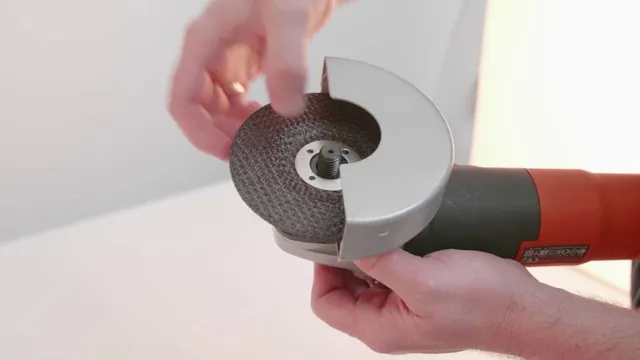

Consider the type of project you’ll be working on and choose a grinder with the appropriate power level. When it comes to using an angle grinder, technique is also important. Make sure you’re holding the tool securely and at the right angle for the task at hand.
Don’t force the tool and let it do the work for you. And always keep a firm grip on the grinder, as it can kick back if you lose control. In summary, an angle grinder is a versatile tool that can be used for a variety of DIY projects.
But before you start using one, make sure you have the right safety equipment, choose the right power level, and use proper technique. With these considerations in mind, you’ll be well on your way to using an angle grinder confidently and effectively.
Wire Brush
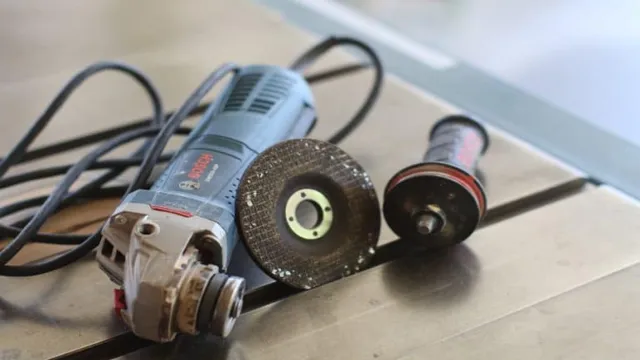
If you’re planning to do some heavy-duty cleaning on rusted or rough surfaces, you’ll need a wire brush. This simple but effective tool can easily scrape away years worth of grime and dirt, leaving your metal surfaces looking clean and smooth. To use a wire brush, you’ll need to choose the right type of brush for the job.
There are several different styles and materials to choose from, including stainless steel, brass, and nylon. Stainless steel is a tough and durable option that can be used on tough surfaces like metal pipes and grills, while brass is a softer option that’s ideal for removing rust without damaging the underlying metal. Nylon brushes are gentle and can be used on delicate surfaces like painted cars or bikes.
No matter which type of wire brush you choose, it’s essential to wear gloves and safety glasses to protect your hands and eyes from flying debris. With a bit of elbow grease and the right brush, you can quickly tackle even the toughest cleaning jobs.
Gloves
When it comes to buying gloves, there are a few things you need to consider to ensure you get the right ones for your needs. Firstly, you need to determine what type of gloves you require. For example, if you’re working with hazardous chemicals or sharp objects, you’ll need gloves made from materials that provide the necessary protection, such as nitrile or latex.
On the other hand, if you’re just looking for gloves to keep your hands warm, wool or fleece are great options. Next, think about the fit of the gloves. Gloves that are too loose can be dangerous, as they may slip off when you need them the most, while gloves that are too tight can cause discomfort and restrict mobility.
Pay attention to the sizing chart and try the gloves on before buying them to ensure a comfortable and snug fit. Lastly, consider the level of grip and dexterity you need. Gloves with extra grip are suitable for tasks that require a firm hold, such as manual labor and sports, while gloves with added dexterity are great for jobs that require precision and fine motor skills, such as gardening and crafting.
By considering these factors, you can find the perfect gloves that will meet your needs and keep your hands protected.
Safety Glasses
Safety glasses are your best friends when it comes to protecting your eyes during hazardous activities. Whether you are working in a construction site, engaging in sports or working in a science laboratory, it is essential that you have the right kind of safety glasses to provide adequate protection. The best safety glasses are designed to be sturdy, durable and comfortable.
They should also be lightweight to avoid causing unnecessary strain on your face. Some safety glasses feature anti-fog lenses, scratch-resistant coatings and UV protection, making them ideal for extended use. When choosing safety glasses, make sure that you select certified glasses that have undergone rigorous testing.
Investing in a good pair of safety glasses ensures that you keep your eyes safe from flying debris, chemicals and damaging rays of light.
Steps to Follow
If you need to give a surface a good cleaning or remove old paint or rust, a wire brush on an angle grinder can help you get the job done quickly and easily. Here are some steps to follow to put a wire brush on angle grinder: Step 1: Make sure the angle grinder is turned off and unplugged before you begin. Step 2: Remove the grinder’s existing disc or wheel by loosening the nut in the center of the wheel.
You can use an adjustable wrench to loosen it. Step 3: Place the wire brush on the spindle of the angle grinder. Make sure it’s snug against the surface.
Step 4: Screw the retaining nut clockwise onto the spindle. Hand tighten it first, then use an adjustable wrench to tighten it further. Step 5: Adjust the guard wheel to the short position to prevent any accidents.
Step 6: Turn on the grinder, but only at a moderate speed. Step 7: Start the task, and apply the wire brush against the surface that needs cleaning or preparing. Step 8: When finished, switch off the angle grinder and remove the wire brush by following the steps in reverse order.
Remember to always exercise caution when using an angle grinder as they can be dangerous if not used correctly. Always wear the appropriate safety gear such as gloves, eye, and ear protection. With care and attention, you can put a wire brush on an angle grinder and get great results.
Step 1: Ensure the Angle Grinder is Off
Angle Grinder When using an angle grinder, it’s essential to ensure that the tool is off before proceeding with any other steps. This may seem like an obvious step to some, but it’s especially important for new users of this powerful tool. Before attempting to use the grinder, make sure that the tool is completely disconnected from any power source and that all moving parts have come to a complete stop.
Remember that angle grinders pose a significant risk if operated improperly, so safety must come first. Taking the time to double-check that the grinder is off is a necessary precaution that could prevent accidents and injuries. By prioritizing safety and taking this crucial first step, you’re setting yourself up for successful and stress-free grinding sessions.
Step 2: Attach Wire Brush to Angle Grinder
To attach a wire brush to your angle grinder, you’ll need a few tools to get started. Ensure that you have a suitable wire brush and an angle grinder that fits the brush. Locate the spindle lock button on the angle grinder and press it to lock the spindle in place.
Then, use a wrench to remove the nut holding the current attachment in place. Take note of the direction that the nut came off to ensure that you reattach it the same way. Next, slide the wire brush onto the spindle and secure it in place with the nut.
Use the wrench to tighten the nut, ensuring that the wire brush is firmly in place. Once it’s secure, you’re ready to use your angle grinder with the wire brush attachment to clean or polish various surfaces. With careful handling, the wire brush should not come loose during use, giving you a productive and efficient cleaning experience.
Step 3: Secure Wire Brush with Nut
It’s time to get that wire brush secured with a nut! Follow these steps to make sure your wire brush stays in place while you’re using it: First, locate the threaded end of the handle on your wire brush. This is where the nut will go.
Take the nut and slide it onto the threaded end of the handle.
Use your fingers to tighten the nut as much as you can. If the nut can’t be tightened any further, use a wrench or pliers to give it an extra turn.
You’ll know that the wire brush is secured when you try to move the bristles and they don’t budge. It’s important to have a secure wire brush when you’re using it to avoid any accidents.
By following these simple steps, you’ll be able to attach the nut to the handle and ensure that your wire brush stays in place. Don’t forget to check the nut periodically to make sure it’s still tight – you don’t want it to come loose while you’re in the middle of cleaning!
Step 4: Test the Wire Brush
After assembling the wire brush, the next step is to test it before using it. The wire brush should be tested for its firmness, strength, and usability. The firmness of the brush should be checked by pressing it against a hard surface to ensure that the bristles do not fall off easily.
Then, the strength of the wire should be tested by pulling on it and ensuring that it can withstand some pressure. Finally, the usability of the brush should be tested by using it to clean a surface and checking if it effectively removes grime and dirt. By following these testing steps, you can ensure that the wire brush is suitable for your cleaning needs and will not cause any damage.
Remember to test the brush regularly to ensure that it remains firm, strong, and usable.
Safety Precautions
Using an angle grinder to clean up metal surfaces has never been easier with the help of a wire brush. But before you attach the brush to the grinder, make sure to follow some safety precautions. First, wear proper eye and ear protection, as the sparks and noise can be hazardous.
Second, secure your workpiece firmly on a sturdy surface, and never hold it in your hand. Third, ensure that the wire brush is securely attached to the angle grinder and that it is the appropriate size and type for your intended use. Lastly, be mindful of the wire brush’s rotation direction and keep it moving in the opposite direction of its rotation to prevent the wires from catching and causing damage or injury.
By following these simple safety steps, you can enjoy a hassle-free wire brushing experience and achieve great results in your metalworking projects.
Wear Protective Gear
When it comes to engaging in physical activities, whether it be riding a bike, rollerblading or skateboarding, safety should always be a top priority. One of the most important safety precautions one can take is wearing protective gear. Protective gear includes a helmet, knee pads, elbow pads, wrist guards and even mouth guards.
These pieces of equipment are designed to protect the rider in the event of an accident, preventing painful and potentially debilitating injuries. While some may feel like wearing protective gear makes them look uncool or silly, it is important to remember that safety should always come first. It only takes one accident to realize the importance of wearing protective gear.
So next time you head out on your bike or skateboard, remember to throw on that helmet and pads – your body will thank you.
Avoid Loose Clothes
Safety precautions for outdoor activities are crucial to prevent accidents and injuries. One important tip is to avoid loose clothes, especially when participating in activities that involve machinery or heavy equipment. Loose clothing can easily get tangled or caught in machinery, causing serious harm or even death.
It is important to wear properly fitted clothing that is not too baggy or loose. This not only ensures safety but also allows for better mobility and comfort during the activity. Remember, safety should always come first, so make sure to take all necessary precautions before engaging in any outdoor activity.
Follow Angle Grinder Instructions
When using an angle grinder, it is essential to follow the instructions carefully to ensure safety. First and foremost, wear protective gear such as eye goggles and a dust mask to protect yourself from potential hazards. Make sure the power cord and grinder wheel are in good condition before use.
It’s essential to keep the grinder at a safe distance from your body while in use. If the grinder wheel gets stuck, do not force it and turn off the power immediately. Always make sure to secure the object you’re cutting or grinding firmly, and avoid awkward positions that can cause fatigue or injury.
Remember, accidents can happen with any power tool, but by following instructions and taking necessary precautions, you can reduce the risk and enjoy a safe and productive experience.
Conclusion
And there you have it, folks. Putting a wire brush on your angle grinder is as simple as piecing together a jigsaw puzzle. Just make sure to follow these steps: assemble your tools, remove the angle grinder safety guard, attach the wire brush to the grinder, and secure it in place.
With a little patience, you’ll have a sparkling clean surface in no time. So go ahead, channel your inner handyman, and get brushing! (And don’t forget to wear protective gear!)
FAQs
What is an angle grinder used for?
An angle grinder is a handheld power tool used for grinding, cutting, and polishing metal, concrete, and other materials.
Can I attach a wire brush to my angle grinder?
Yes, you can attach a wire brush to your angle grinder by purchasing a wire brush attachment and following the manufacturer’s instructions.
How do I safely attach a wire brush to my angle grinder?
Before attaching a wire brush, make sure the grinder is unplugged and the tool is cool. Use the appropriate sized wrench to remove the grinder’s disc. Insert the wire brush attachment into the spindle and tighten it with the wrench provided. Make sure the attachment is secure before using the grinder.
What kind of wire brush should I use with my angle grinder?
The type of wire brush you should use depends on the material you are working with. For heavy-duty cleaning and rust removal, use a crimped wire brush. For light-duty cleaning and surface preparation, use a twisted wire brush.
How do I clean my wire brush attachment?
To clean your wire brush attachment, remove it from the grinder and use a wire brush or comb to remove any debris. You can also soak it in a solution of water and vinegar to remove any rust or buildup. Rinse and dry thoroughly before reattaching it to the grinder.
Can I use my angle grinder with a wire brush to remove paint?
Yes, you can use an angle grinder with a wire brush to remove paint, but you must take precautions to avoid damaging the surface underneath. Use a light touch and work in small sections to avoid overheating the surface or creating deep gouges.
How often should I replace my wire brush attachment?
The lifespan of your wire brush attachment depends on how often you use it and the type of material you are working with. Check the condition of the bristles regularly and replace the attachment if it becomes worn or damaged.