How to Use Ratchet and Socket Set: A Beginner’s Guide for Easy Assembling
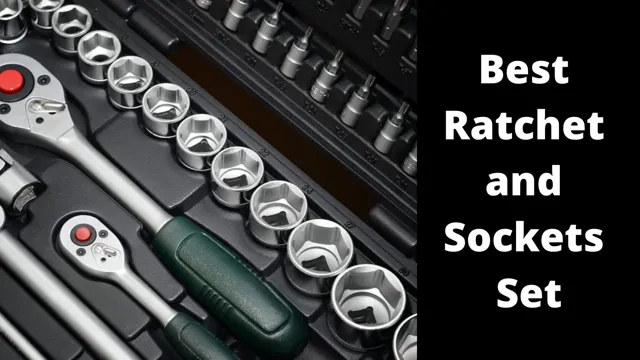
If you are someone who loves to get their hands dirty with fixing things, then a ratchet and socket set is a must-have in your toolbox. Whether you are a DIY enthusiast or a professional mechanic, this versatile tool set makes your job much easier and efficient. It allows you to tighten or loosen bolts and nuts with precision, making the entire process of fixing things a breeze.
In this blog, we will explore the many benefits of using a ratchet and socket set and why it is an essential tool for every DIYer or mechanic. So, grab your toolset and let’s dive right in!
What You Will Need
If you’re eager to learn how to use ratchet and socket set, there are a few things you will need. Firstly, you will need a good quality ratchet and socket set. You may already own one, or you can easily purchase one online or at a local hardware store.
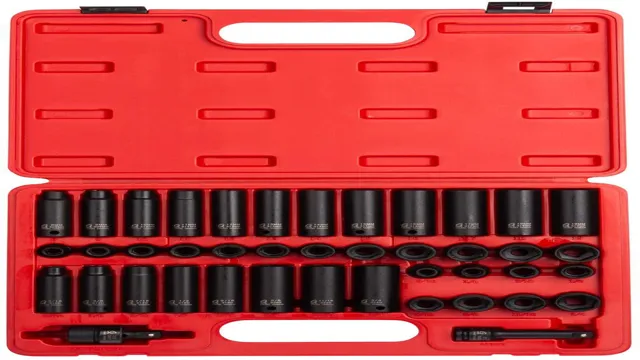
It’s important to choose a set with a range of socket sizes, as this will allow you to work on a variety of different-sized nuts and bolts. Secondly, you will need some basic knowledge of mechanics. You don’t need to be an expert, but having an understanding of how certain tools work and what different parts of a vehicle or machine are called will be helpful.
Finally, you will need patience and practice. Learning how to use a ratchet and socket set can take time, but with practice and dedication, you’ll soon be able to confidently tighten and loosen nuts and bolts with ease.
Ratchet and socket set
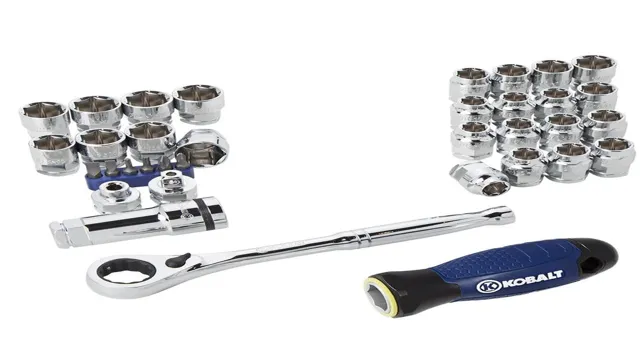
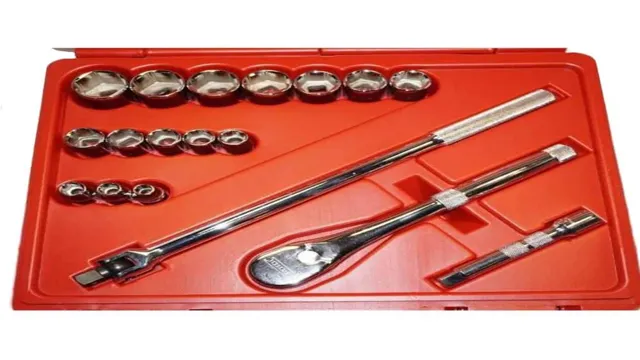
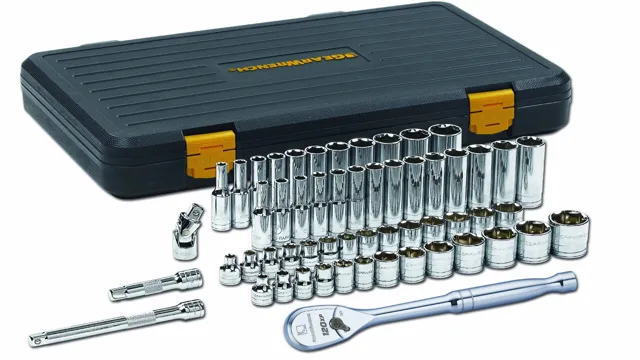
When it comes to DIY projects or basic home repairs, a ratchet and socket set is an essential tool to have in your arsenal. This type of toolset will save you time and frustration, allowing you to quickly and easily tighten or loosen bolts and nuts of different sizes without having to switch tools constantly. What you will need for a basic ratchet and socket set is a ratchet handle, several sockets of various sizes, and an extension to give you more reach.
It’s important to choose a ratchet and socket set that is well-made with durable materials and has a comfortable grip on the handle to prevent slipping. Overall, investing in a high-quality ratchet and socket set will prove to be a valuable addition to any household toolkit. So, have you got your ratchet and socket set yet?
Nuts and bolts
If you’re planning on tackling a DIY project that involves nuts and bolts, it’s important to make sure you have all the necessary tools and equipment before you start. Some of the basic tools you’ll need include a ratchet wrench or socket set, pliers, screwdrivers, and a hammer. You’ll also want to have a selection of nuts, bolts, and washers in various sizes on hand, as well as a thread gauge to help you identify the size and pitch of the bolts you’re working with.
If you’re working with larger bolts or have a lot of fastening to do, a impact wrench can save a lot of time and effort. And don’t forget about safety equipment: eye protection and gloves are a must when working with hand tools and power tools alike. With these tools in tow, you’ll have everything you need to tackle your nuts-and-bolts project with confidence.
Step-by-Step Guide
Do you want to learn how to use a ratchet and socket set to handle basic repairs around the house? First, familiarize yourself with the ratchet itself. It has a square-shaped fitting that works with the sockets. Next, select the appropriate socket size for the task at hand.
Attach the socket to the ratchet, ensuring a secure fit. Insert the socket onto the bolt or nut, and turn the ratchet clockwise or counterclockwise to loosen or tighten it. Remember to always turn the ratchet in the same direction as the bolt or nut to prevent damaging it.
It’s also important to use the correct amount of torque, as over-tightening can cause damage or break the bolt. With a little practice, using a ratchet and socket set will become second nature, allowing you to tackle more advanced home repairs with confidence.
Step 1: Choose the right socket size
Choosing the right socket size is the first and most crucial step in any DIY project involving nuts and bolts. A socket wrench set typically comes with many socket sizes, which can be overwhelming for a beginner. However, the right socket size is critical to achieving a secure and tight fit and avoiding damage to the fasteners.
To choose the right socket size, start by identifying the nut or bolt’s size or measurements. This may involve using a tape measure, caliper or checking the manual or labeling. You should then select a socket size that matches the measurement.
Most sockets come in both metric and imperial sizes, so ensure you choose the right system for your project. Choosing the right size of socket ensures that you apply uniform force to the fastener and avoid damaging it or your tools. Thus, “selecting the right socket size” is a critical keyword in any DIY project involving nuts and bolts.
Step 2: Attach the socket to the ratchet
Once you have selected the appropriate socket size, the next step in using a ratchet is to attach the socket to the ratchet. This is a straightforward process that involves lining up the square drive of the ratchet with the square hole in the socket. Once they are lined up, simply push the socket onto the ratchet until it clicks into place.
You may need to give it a firm tug to make sure it is securely attached. It is important to ensure that the socket is firmly attached to the ratchet before proceeding to use it. Failure to do so may result in the socket becoming detached during use, which can be dangerous.
With your socket properly attached, you are now ready to start using your ratchet to fasten or loosen bolts and nuts efficiently and effectively.
Step 3: Fit the socket onto the bolt head
Once you have chosen the correct socket size, the next step is to fit the socket onto the bolt head. Start by lining up the socket with the bolt head, making sure that it’s perfectly centered. Then, push down on the socket and turn it slightly until you feel it lock in place onto the bolt head.
It is crucial to ensure that the socket is securely attached to the bolt head before you start applying torque. Otherwise, the socket can slip off and cause damage to the bolt or the surrounding components, which can be dangerous and costly. Make sure to take your time and check that the socket is firmly attached before proceeding.
With the socket securely in place, you are ready to start applying torque and loosen or tighten the bolt, depending on your needs. Driveline’s high-quality sockets are designed to fit perfectly onto bolt heads, providing precise torque application and minimizing the risk of slipping or damaging your bolts. So, you can rest assured that your socket will fit snugly onto your bolt head, allowing you to tackle any job with ease.
Step 4: Turn the ratchet handle to tighten or loosen the bolt
When it comes to tightening or loosening a bolt, a ratchet handle can be a lifesaver. But how exactly do you use it? The fourth and final step is simple: turn the ratchet handle. This is where the real magic happens.
Depending on which way you turn it, the bolt will either tighten or loosen. It’s important to make sure the ratchet is securely attached to the bolt before you start turning. And remember to take it slow and steady – you don’t want to strip the bolt or damage the ratchet.
With a little practice, using a ratchet handle to tighten or loosen bolts will become second nature. So next time you need to tackle a DIY project, grab a ratchet and get to work!
Safety Tips
When working with a ratchet and socket set, safety should always be a top priority. Knowing how to properly use these tools can help prevent accidents and injuries. First and foremost, make sure to read the manufacturer’s instructions and understand how to handle the tools correctly.
When using the ratchet, choose the right socket size and snugly fit it onto the nut or bolt. Make sure the socket and ratchet are securely fastened before use. Another tip is to never use your ratchet set as a hammer or pry bar.
Doing so can cause the tool to break or damage the socket. Finally, wear appropriate personal protective gear like gloves and safety goggles to protect yourself from flying debris or injury. Remember, a little extra time spent on safety can save you from a painful injury later on.
Wear safety goggles to protect your eyes from debris.
One of the most important safety tips when working on any kind of project that involves cutting, drilling, or machining is to wear safety goggles to protect your eyes from flying debris. It’s easy for tiny particles to make their way into your eyes, and once they do, they can cause everything from irritation and tearing to scratched corneas and even permanent damage. While it may be tempting to skip the goggles or substitute a cheaper kind of eye protection, it’s simply not worth the risk.
Investing in a good pair of safety goggles can save you a lot of pain and suffering down the line, ensuring that you’ll be able to work safely and efficiently without any lasting damage to your vision. So if you’re going to be working with power tools or other potentially dangerous equipment, don’t forget to grab a pair of protective goggles along with your gloves and earplugs. Your eyes will thank you! The main targeted keyword is “safety goggles.
“
Make sure the ratchet and socket are securely attached before use.
If you work with ratchets and sockets, it’s essential to take safety precautions seriously. One critical safety tip to keep in mind is to ensure that the ratchet and socket are securely attached before use. Even if you think you have everything set up correctly, it’s always worth double-checking.
The consequences of a loose or poorly fitted ratchet and socket can be disastrous, causing serious injuries or property damage. Before starting your job, make sure that the ratchet and socket are tightly in place, and there’s no chance of it slipping and causing accidents. Taking the time to check the fittings may add a few minutes to your job but ensures that you’re working safely and efficiently.
By following this safety tip, you can prevent accidents and ensure your job goes smoothly, without any unwanted hiccups or complications. Stay safe, work with care, and always remember to double-check your equipment before use.
Use the right size socket to avoid damaging the bolt head.
When working with bolts, it’s essential to use the right size socket to avoid damaging the bolt head. Not only can damaged bolts be costly to replace, but it can also lead to safety hazards. Using the wrong size socket can result in rounding off the edges and make it challenging to remove the bolt.
It can also cause the socket to slip, which can lead to accidents. When selecting a socket, it’s essential to match the size precisely. You can identify the correct size for a bolt by measuring the distance across the flats of the bolt head.
It’s also essential to ensure the socket is deep enough to reach the full length of the bolt. Taking these precautions will make your work smoother, safer, and prevent any potential accidents. Remember, safety comes first, so be sure to use the right tool for the job.
Never use the ratchet as a hammer.
When it comes to using tools, safety should always be the top priority. One important tip to keep in mind is to never use a ratchet as a hammer. While it may seem like a quick and easy solution, using a ratchet in this way can actually be quite dangerous.
Not only can it put unnecessary strain on the tool, but it can also cause it to break or malfunction, potentially leading to injury. It’s always best to use the right tool for the job, and in this case, that means using a hammer when you need one. By following this simple safety tip, you can ensure that you’re using your tools in the safest and most effective way possible.
Keep your work area well-lit and free of clutter.
When it comes to workplace safety, one simple yet important tip is to keep your work area well-lit and free of clutter. Adequate lighting can prevent accidents by allowing you to see potential hazards, while a tidy workspace reduces the risk of slips, trips, and falls. Incorporate task lighting where necessary, and make sure any overhead lights are bright enough for the job at hand.
If your workspace tends to get cluttered, take a few minutes at the end of each day to tidy up. This not only promotes safety but can also improve productivity by minimizing distractions. Remember, a little organization can go a long way in keeping you and your colleagues safe on the job.
Conclusion
In conclusion, using a ratchet and socket set is much like a game of Tetris. You strategically choose the appropriate socket size, line it up with the nut or bolt, and twist the ratchet handle to make a satisfying click as everything falls into place. With a little practice, you’ll become a master of your craft and confidently tighten and loosen bolts with ease.
Just remember, like any good game, precision and patience are key to achieving success. Happy wrenching!”
Using a ratchet and socket set is easy once you know the basics. By following these steps and safety tips, you’ll be able to tackle a variety of DIY projects with confidence.
When using a ratchet and socket set, safety should always be your top priority, regardless of your level of expertise. Always read and follow the manufacturer’s instructions carefully before using the tool. Ensure that you have the proper safety gear, such as gloves and eye protection, when working with the ratchet and socket set.
Before using the tool, ensure that the sockets are properly attached and tightened onto the ratchet. Always inspect the sockets for damage or wear before using them. When using the tool, ensure that you have a secure and stable workspace and that the ratchet and socket set is being used within its capacity limits.
Never use a socket extension bar that is longer than recommended for the tool. Finally, always keep the tool and its accessories in a safe place, out of reach of children or inexperienced users. By following these safety tips, you can use your ratchet and socket set with confidence and tackle a variety of DIY projects safely and efficiently.
FAQs
What are ratchet and socket sets used for?
Ratchet and socket sets are used to tighten and loosen bolts and nuts in various applications.
How do you use a ratchet and socket set?
To use a ratchet and socket set, select the appropriate socket size for your bolt or nut, attach it to the ratchet handle, and turn the handle in the direction you need to tighten or loosen.
What types of bolts and nuts can be used with a ratchet and socket set?
Ratchet and socket sets can be used with various types of bolts and nuts, including hex bolts, Allen bolts, Torx bolts, and square bolts.
Can a ratchet and socket set be used for automotive repairs?
Yes, ratchet and socket sets are commonly used for automotive repairs, such as changing oil, replacing spark plugs, and removing wheel lug nuts.
Are there different types of ratchets and sockets available?
Yes, ratchets and sockets come in various sizes and types, such as deep sockets, impact sockets, and universal sockets, to fit specific applications.
How do you maintain a ratchet and socket set?
To maintain a ratchet and socket set, keep it clean and dry, lubricate the ratchet mechanism periodically, and replace any damaged or worn-out sockets.
Can a ratchet and socket set be used for DIY projects at home?
Yes, ratchet and socket sets can be useful for DIY projects at home, such as assembling furniture, repairing appliances, and installing light fixtures.